
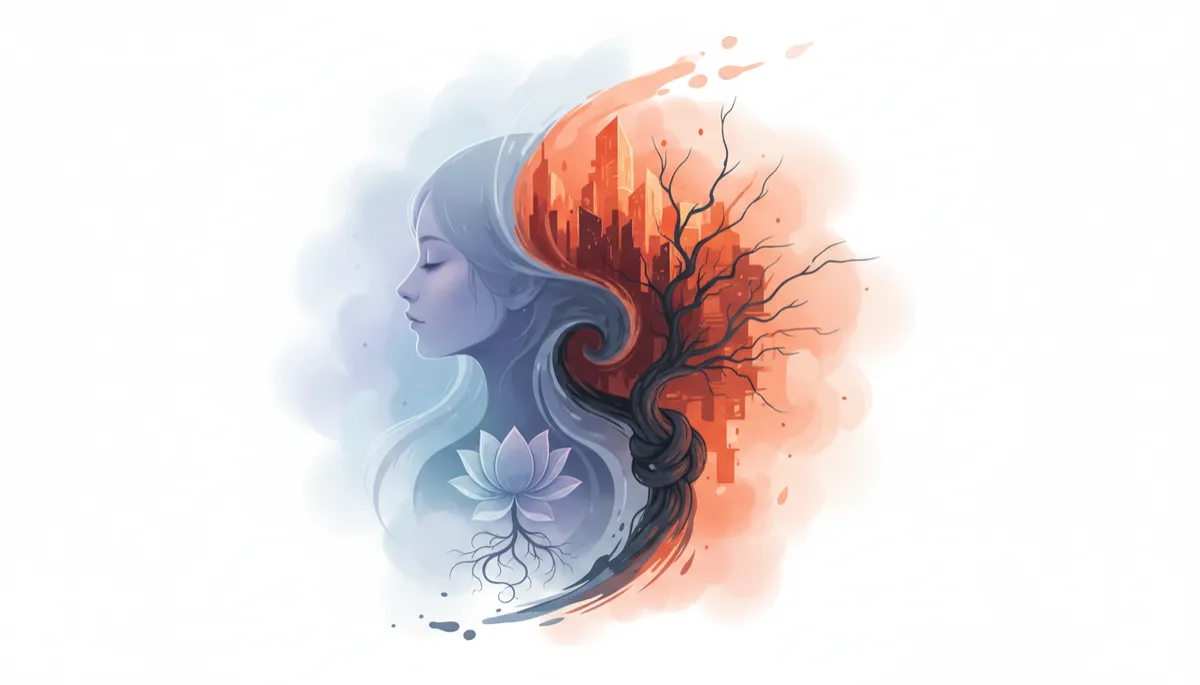
Perimenopause and Burnout: Understanding the Overlap
Perimenopause, Burnout, Women's Mental Health
Perimenopause or Burnout? Often, It’s Both
If you’re a midlife woman feeling unlike yourself—exhausted, flat, on edge, and strangely alone—there’s a good chance you’re not “too emotional” or “just stressed.” You may be moving through perimenopause and burnout at the same time. As a Florida-based therapist, Dr. Jennifer Wilson sees this overlap every week, and it is far more common, and more human, than you’ve been led to believe.
When “I’m Just Tired” Stops Explaining It
You may recognize yourself in this pattern:
Your patience is thin, especially with people you love, and you hate how quickly you snap.
Sleep is unpredictable—wide awake at 3 a.m., then dragging yourself through the day on fumes and coffee.
You feel both wired and worn out: anxious, foggy, and somehow responsible for holding everything together.
Friends might call it burnout. Your doctor might mention perimenopause. The truth is, these two experiences often weave together so tightly that it’s hard to tease them apart—and you’re left wondering if you’re losing your edge or losing your mind. You’re not. Your body, your hormones, and your life load are all speaking at once.
Perimenopause: More Than “Just Hormones”
Perimenopause is the long, often bumpy transition leading up to menopause. Estrogen and progesterone begin to fluctuate—not in a smooth downward line, but in sharp, unpredictable waves. That hormonal turbulence can affect:
Sleep: night sweats, early waking, restless nights that chip away at your reserves.
Mood: increased irritability, tearfulness, anxiety, or a heavy, unfamiliar sadness.
Cognition: brain fog, forgetfulness, and a sense that your mind is “slipping” when it isn’t.
Because these changes are internal and invisible, many women quietly blame themselves: for not coping better, not being more patient, not “staying positive.” But perimenopause is not a character test. It’s a biological season that deserves the same compassion you’d offer any other major transition in your life.
Burnout: When Carrying It All Catches Up With You
At the very same time your hormones are shifting, life is often asking the most of you. You may be raising teens, supporting aging parents, working full-time, showing up in your relationship, and quietly absorbing everyone else’s emotional overflow. Burnout doesn’t just mean “busy.” It shows up as:
Emotional exhaustion: feeling wrung out, numb, or like you have nothing left to give.
Cynicism: withdrawing, snapping, or feeling resentful toward people you care about.
Self-doubt: questioning your competence, your worth, and whether anything you do really matters.
Burnout isn’t a personal failure; it’s what happens when a caring, capable person is asked to operate beyond their capacity for too long. When perimenopause and burnout collide, your nervous system is already stretched thin, so even small stressors can feel enormous.

When hormones and overload collide, even simple tasks can feel impossibly heavy.
How Perimenopause and Burnout Amplify Each Other
Perimenopause and burnout don’t just happen side by side—they interact. Poor sleep makes you less resilient at work and at home. Chronic stress raises cortisol, which can intensify hot flashes, anxiety, and mood swings. Brain fog from hormonal shifts can look like “not trying hard enough,” so you push yourself harder, deepening the burnout. The result is a painful, self-reinforcing loop that can leave you feeling ashamed and very alone.
💡 Gentle reminder: If you’re navigating this season, nothing about your reaction is overdramatic. Your body and your life are both asking for care at the same time.
What Support Can Look Like in This Season
Real support doesn’t mean being rushed into a protocol or told to meditate your way out of a hormonal storm. In therapy with Dr. Jennifer Wilson, therapist, you move at your pace and start where you actually are—not where a manual says you should be. Together, you might:
Name what’s happening—perimenopause, burnout, or both—so you have language for what you’re living through.
Explore how these changes are affecting your relationships, your work, your sense of self, and your intimacy.
Build practical, realistic tools for protecting your energy—boundaries, rest, and support that actually fit your life.
Sometimes that work happens one-on-one. Sometimes it happens with a partner in the room, especially when intimacy, old trauma, or repeating patterns are being stirred up by this season of life. However it’s structured, the goal is the same: that you feel met, not managed, and that any change you create together can actually hold.
You Don’t Have to Hold This Alone
If you’re in Florida and this feels uncomfortably close to your lived experience, you deserve a space where you don’t have to minimize it or perform being “fine.” I’m Dr. Jennifer Wilson, therapist, PhD, LCSW, and I offer individual therapy, couples therapy, and focused six- and twelve-week intensives for seasons exactly like this one—online statewide, and in person in St. Augustine Beach and Jacksonville.
You are not broken, and you do not need to be fixed. But you may need someone to sit with you in the hard part long enough for real hope to become possible again. If you’re ready to be heard, not hurried, you’re welcome here.
When you’re ready, you can book a free 15-minute consultation call to see whether working together feels like a good fit—for you, your relationship, and this complex, tender season of life.